

KANKAKEE, Illinois. It was billed as a last-ditch effort to gain recognition for a group that feels it is always overlooked when the roll of aggrieved minorities is called in the press or politics. “Why must we always be ignored, like the baking soda in the back of the fridge?” says Olar Lkiesick, a prize-winning grease trap cleaner. “We are just as ethnic as others, maybe more so.”
So a nationwide “Day Without Freedonians” was planned for Sunday, to show America’s non-Freedonians how much they are dependent on immigrants from the Eastern European nation formed after World War II from parts of Bosnia-Herzegovina, an abandoned “Six Flags Over the Balkans” amusement park, and two scrapped parking lots from a Chuck E Cheese franchise in Agawam, Massachusetts. “We planned everything down to the smallest detail,” says Kamirkz Sniabob, head of public relations at the Freedonian embassy in Washington, D.C. “Schoolchildren were provided with shoelace aglets that read ‘No Freedonians, no peace!’ but they were unfortunately too small and too close to the ground to be visible by anyone over three feet tall.”

Cardamom harvest, 1953.
“Day Without” demonstrations have been used by women, immigrants, left-handers, and pinochle enthusiasts to demonstrate by their absence how important they are to an economy. “They can have a real impact,” says sociologist Normand McClatchey of the University of Missouri-Knob Noster. “It helps, however, if the group you are promoting is real, which Freedonians are not.”
“We are just as real as Ruritanians,” says Lkiesick, referring to the setting of Anthony Hope’s novel “The Prison of Zenda.” “Our women are more comely, our men are slightly more courageous, and our storm water runoff drains are the envy of the Third World.”

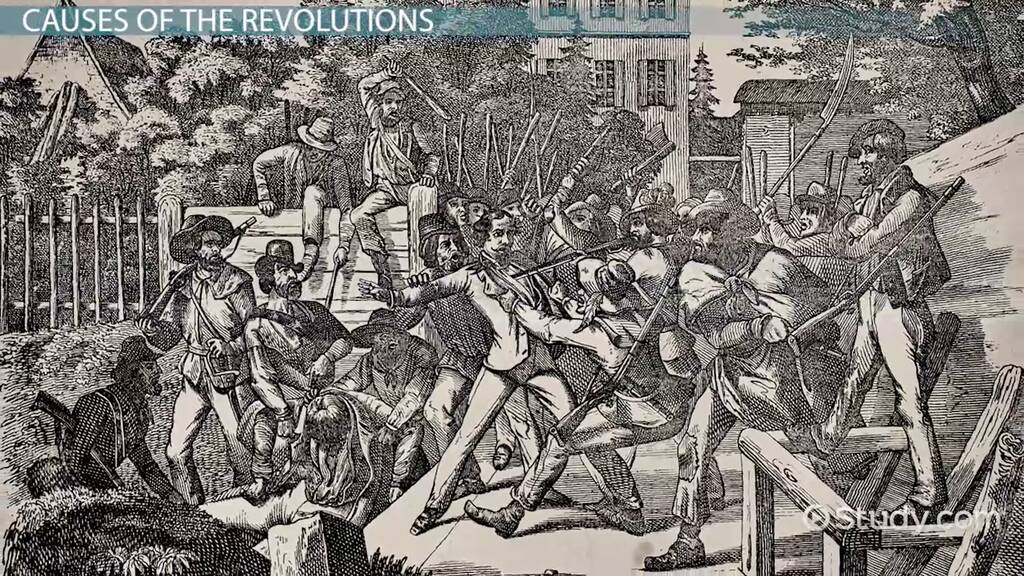
Freedonians clash with Ruritanians at the Battle of Glarzk Pass, 1823.
The success of the strike by absence was undermined when Freedonians showed up to see how large a crowd turned out, and were promptly put to work by non-Freedonians eager to employ them at sub-standard wages. “I asked one fellow to weed my yard for 15 cents,” says Mindy Kramer of Shaker Heights, Ohio, “and he gave me a dollar in change for a quarter.”
Available in Kindle format on amazon.com as part of the collection “Hail Freedonia!”